

Not Sure Which SAFe Course to Take? Here's How to Choose the Right One.
With so many SAFe certifications available, knowing where to start can feel overwhelming - especially if you are brand new to agile. The truth is, choosing the right SAFe course comes down to one simple question: what is your role? In this post we break down the main SAFe certifications, who they are designed for, and how to find the pathway that sets you up for real-world success from day one.
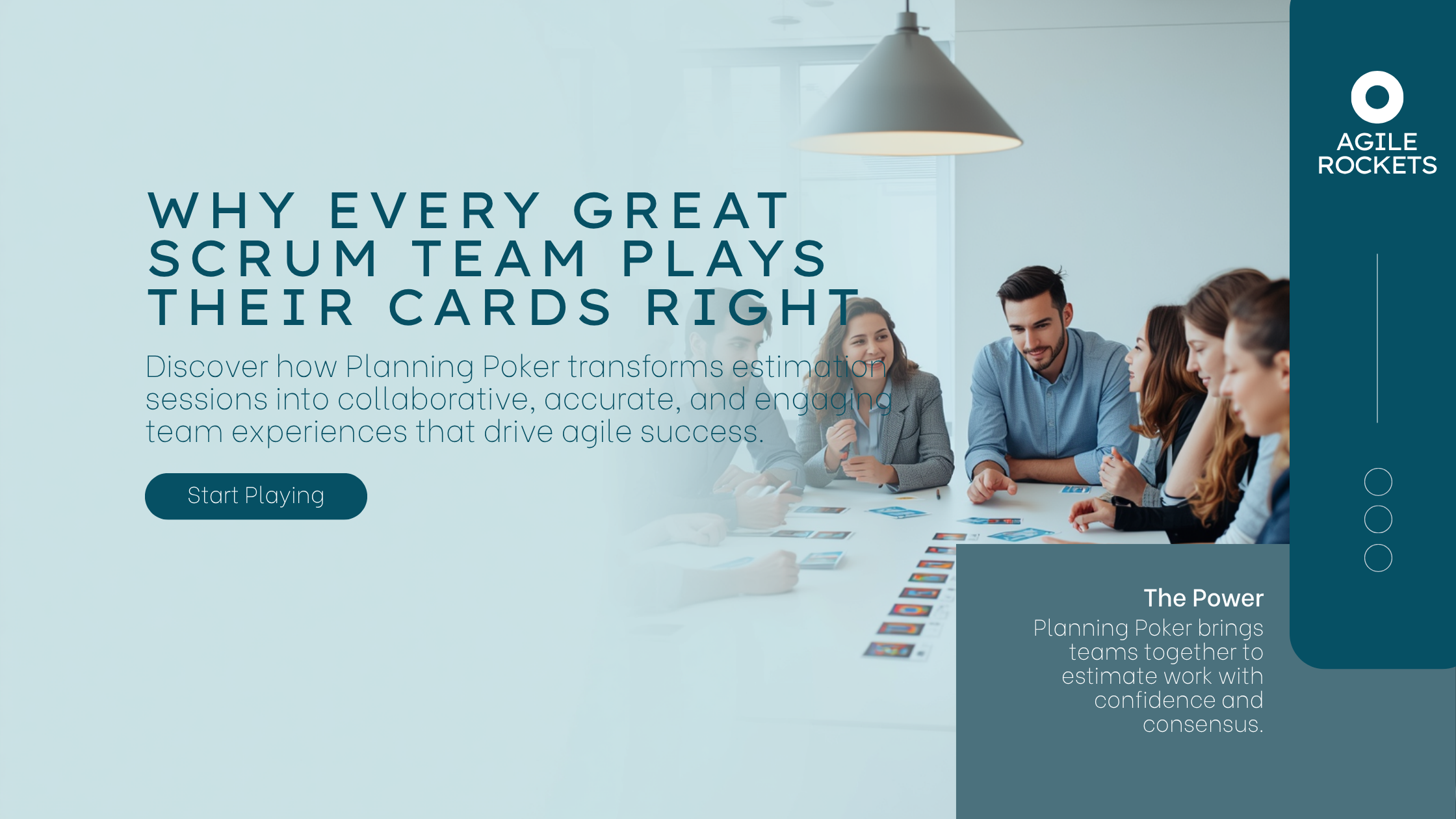
Why Every Great Scrum Team Plays Their Cards Right: The Power of Planning Poker
Your Sprint Planning is underway, the backlog is open - and within seconds, half the room thinks the Story is a 2 and the other half is convinced it's an 8. Sound familiar? Estimation doesn't have to be a battleground. Planning Poker is the consensus-based technique that gives every voice equal weight, eliminates the bias of the loudest opinion, and turns one of Scrum's most dreaded rituals into one of its most valuable. Here's how the cards work - and why your team will be glad you dealt them.
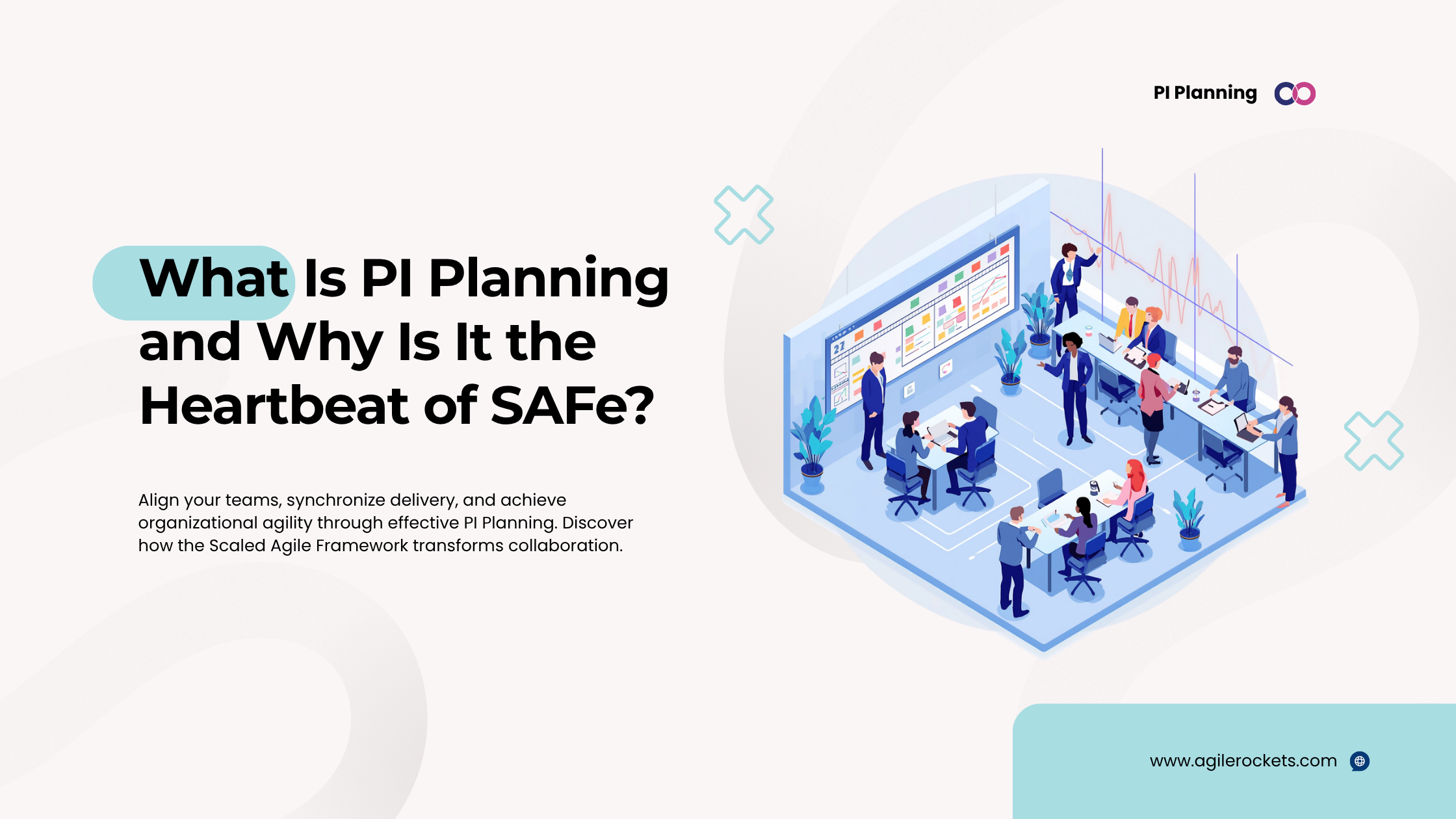
What Is PI Planning and Why Is It the Heartbeat of SAFe?
Program Increment (PI) Planning is a cornerstone event in the Scaled Agile Framework (SAFe), bringing together cross-functional teams to align on a shared mission and plan the work for the upcoming increment. Typically held over two days, it fosters collaboration, transparency, and a clear understanding of priorities across the organization.
Often described as the “heartbeat” of SAFe, PI Planning establishes a regular cadence that keeps teams synchronized and moving in the same direction. It ensures that everyone - from business stakeholders to development teams - is aligned on goals, dependencies, and deliverables, enabling faster decision-making and more predictable outcomes. Without this rhythm, large-scale agile efforts risk drifting into misalignment and inefficiency.

You're Sending Your Leaders to SAFe Training. Here's Exactly What Happens Next.
Sending your people to SAFe training is a serious investment — so you deserve to know exactly what you're getting. From the Lean-Agile Mindset explored on day one to the internationally recognised certification your team earns at the end, SAFe training is a structured, immersive experience that returns more than knowledge to your organisation. It returns clarity, a shared language, and the confidence to lead real change at scale.
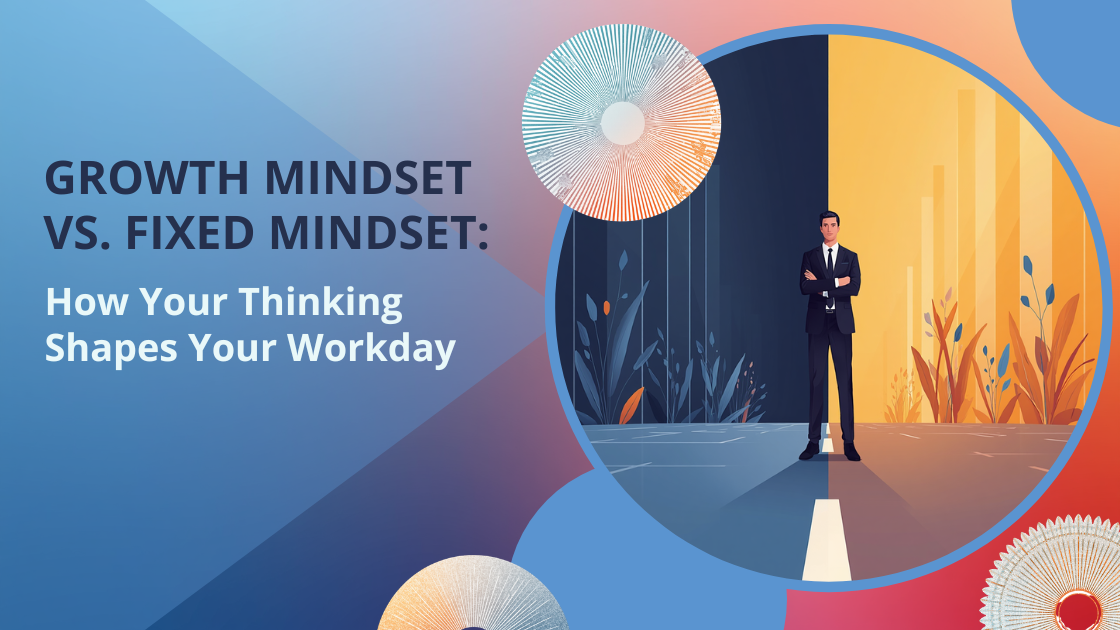
Growth Mindset vs. Fixed Mindset: How Your Thinking Shapes Your Workday
Your mindset shapes how you handle challenges, feedback, and growth at work. This article explores the difference between a growth and fixed mindset, why it matters in modern organizations, and how you can shift your thinking to unlock learning, resilience, and better performance.
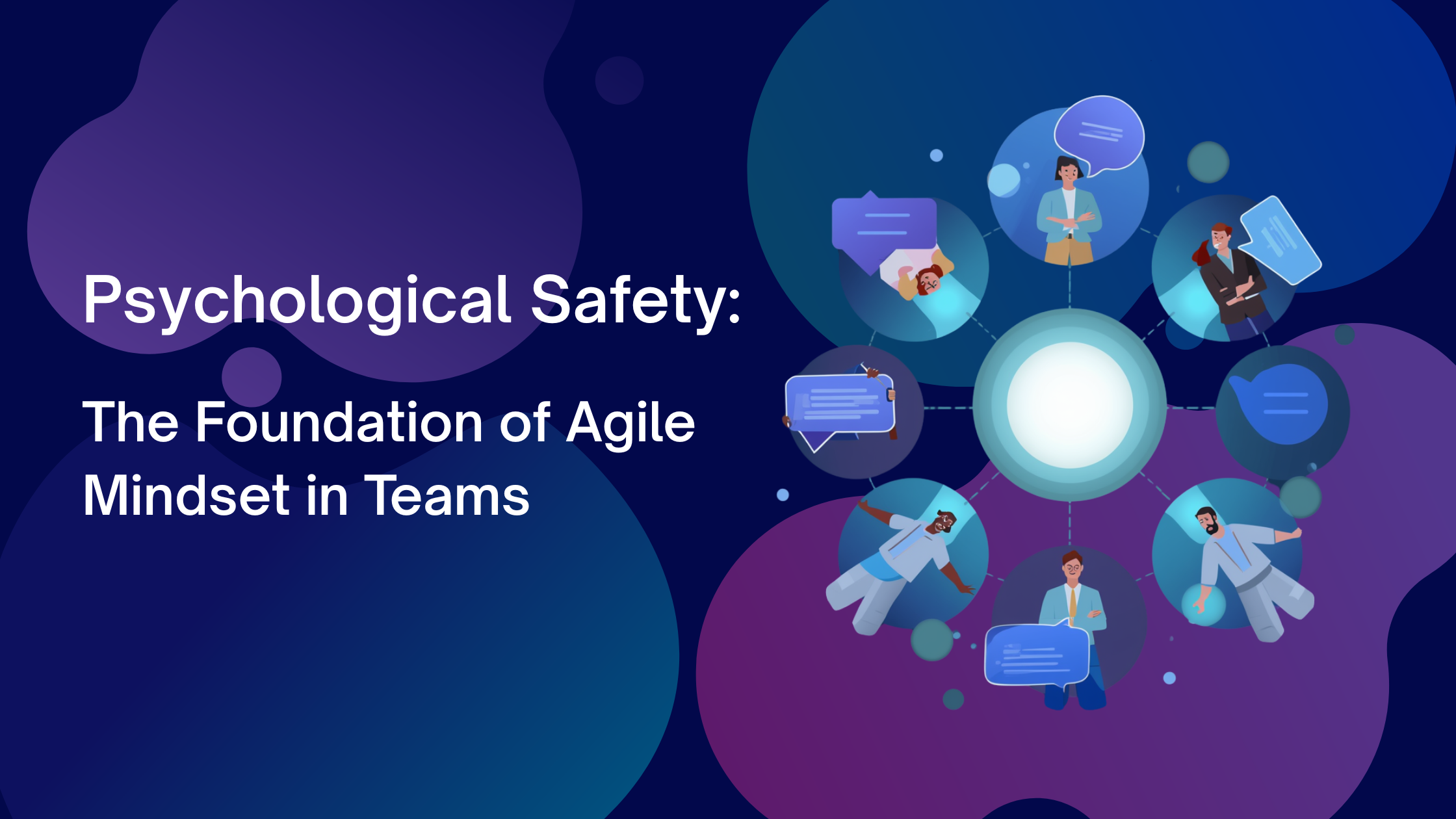
Psychological Safety: The Foundation of Agile Mindset in Teams
Psychological safety is what separates teams that simply follow agile practices from those that truly learn and improve. When people don’t feel safe to speak up, challenge ideas, or admit mistakes, feedback disappears and growth slows down. This article explores what psychological safety really looks like in agile teams and how small, everyday behaviours can create an environment where learning and improvement can thrive.
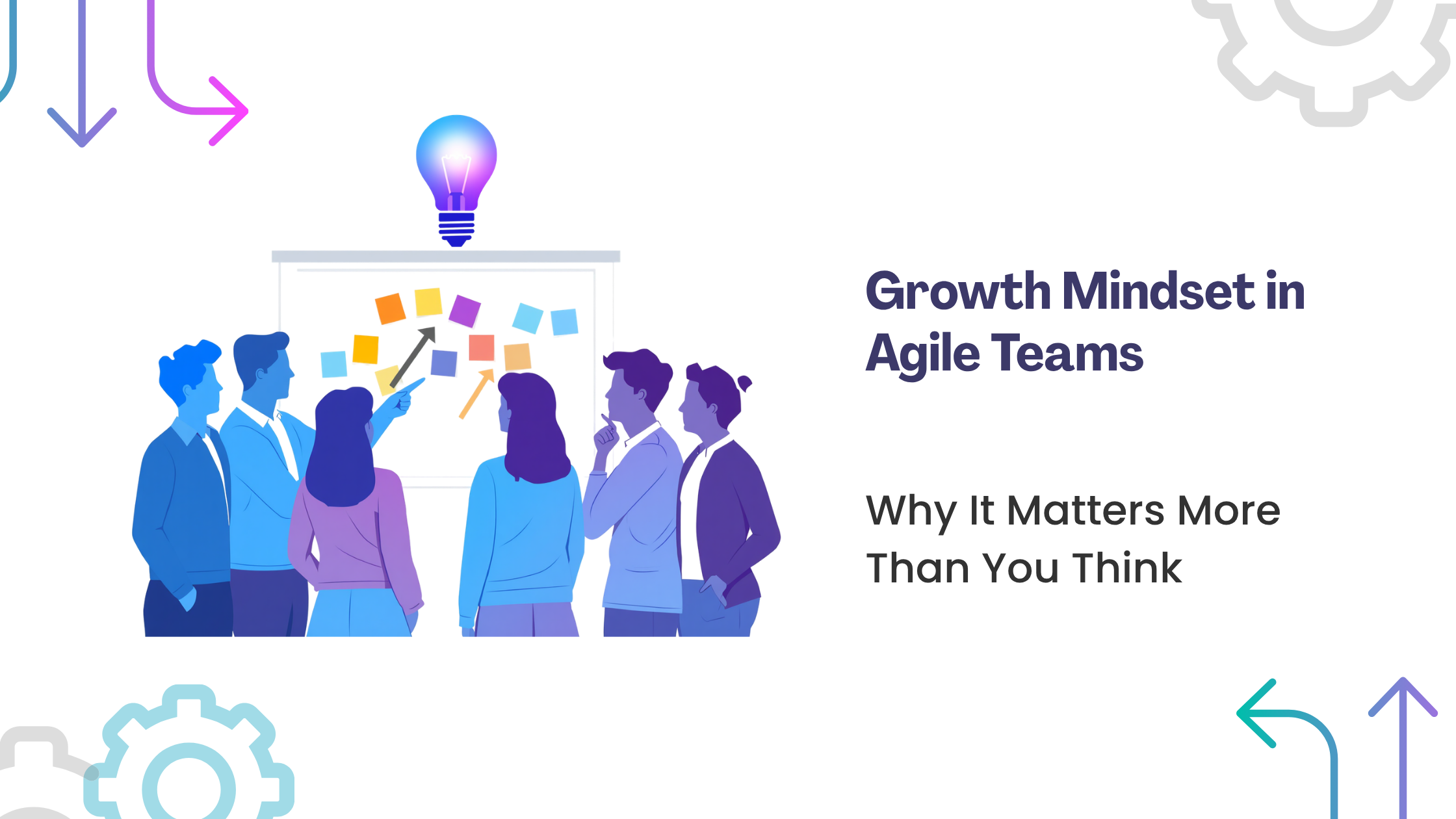
Growth Mindset in Agile Teams: Why It Matters More Than You Think
Growth mindset is often misunderstood as simply “staying positive” or “learning from mistakes.” But in agile teams, it shows up in something much more concrete: how people behave when things go wrong. This article explores what growth mindset really looks like in practice—especially under pressure—and how teams can build it through self-awareness, purpose, emotional control, and everyday interactions.

Stop Running Boring Retrospectives: 7 Agile Facilitation Techniques That Actually Work
Most agile meetings fail not because of the team - but because of how they’re facilitated. If your retrospectives feel repetitive, dominated by a few voices, or lead to little real change, the issue is likely the format, not the people. In this article, you’ll discover seven practical facilitation techniques that help create better conversations, increase participation, and turn insights into meaningful action.

SAFe Certification Cost and ROI Explained
Is SAFe certification worth the cost? As more organisations adopt the Scaled Agile Framework, many practitioners are evaluating the investment in SAFe training and certification. This article explains the typical costs, what you gain from the training, and the potential return on investment for Agile professionals and organisations.

Why Becoming a SAFe Scrum Master Is a Smart Career Move in 2026
Becoming a SAFe Scrum Master is one of the smartest career moves for professionals who want to lead Agile teams and grow in modern organizations. In this article, we explore why the role is in high demand, the skills that make great Scrum Masters, and how SAFe certification can open the door to new career opportunities in 2026.

Why the Scaled Agile Framework (SAFe) Helps Organizations Successfully Scale Agile
The Scaled Agile Framework (SAFe) helps organisations successfully scale agile by providing a proven, structured approach that aligns strategy with execution across teams and portfolios. SAFe standardises roles, ceremonies and artefacts while preserving team autonomy, enabling consistent delivery cadence, reliable planning and predictable outcomes. It integrates lean and agile principles with systems thinking to manage dependencies, reduce bottlenecks and improve flow of value. Built‑in practices for continuous integration, DevOps and built-in metrics foster faster feedback, higher quality and measurable business impact. For organisations moving from isolated agile teams to enterprise‑level transformation, SAFe offers repeatable patterns, clear governance and practical guidance that drive alignment, transparency and sustainable improvement.