
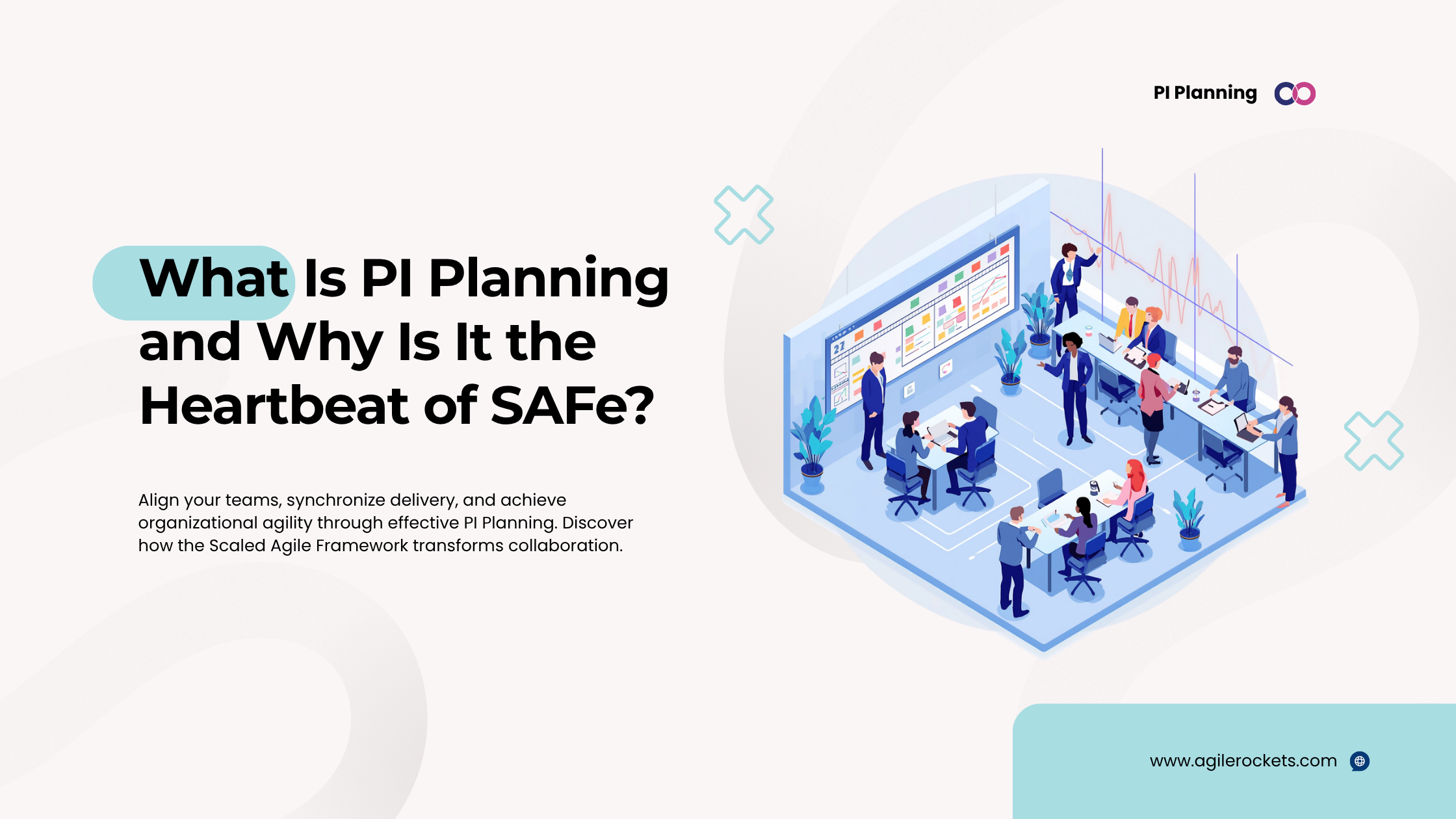
What Is PI Planning and Why Is It the Heartbeat of SAFe?
Program Increment (PI) Planning is a cornerstone event in the Scaled Agile Framework (SAFe), bringing together cross-functional teams to align on a shared mission and plan the work for the upcoming increment. Typically held over two days, it fosters collaboration, transparency, and a clear understanding of priorities across the organization.
Often described as the “heartbeat” of SAFe, PI Planning establishes a regular cadence that keeps teams synchronized and moving in the same direction. It ensures that everyone - from business stakeholders to development teams - is aligned on goals, dependencies, and deliverables, enabling faster decision-making and more predictable outcomes. Without this rhythm, large-scale agile efforts risk drifting into misalignment and inefficiency.

You're Sending Your Leaders to SAFe Training. Here's Exactly What Happens Next.
Sending your people to SAFe training is a serious investment — so you deserve to know exactly what you're getting. From the Lean-Agile Mindset explored on day one to the internationally recognised certification your team earns at the end, SAFe training is a structured, immersive experience that returns more than knowledge to your organisation. It returns clarity, a shared language, and the confidence to lead real change at scale.
Growth Mindset vs. Fixed Mindset: How Your Thinking Shapes Your Workday
Your mindset shapes how you handle challenges, feedback, and growth at work. This article explores the difference between a growth and fixed mindset, why it matters in modern organizations, and how you can shift your thinking to unlock learning, resilience, and better performance.
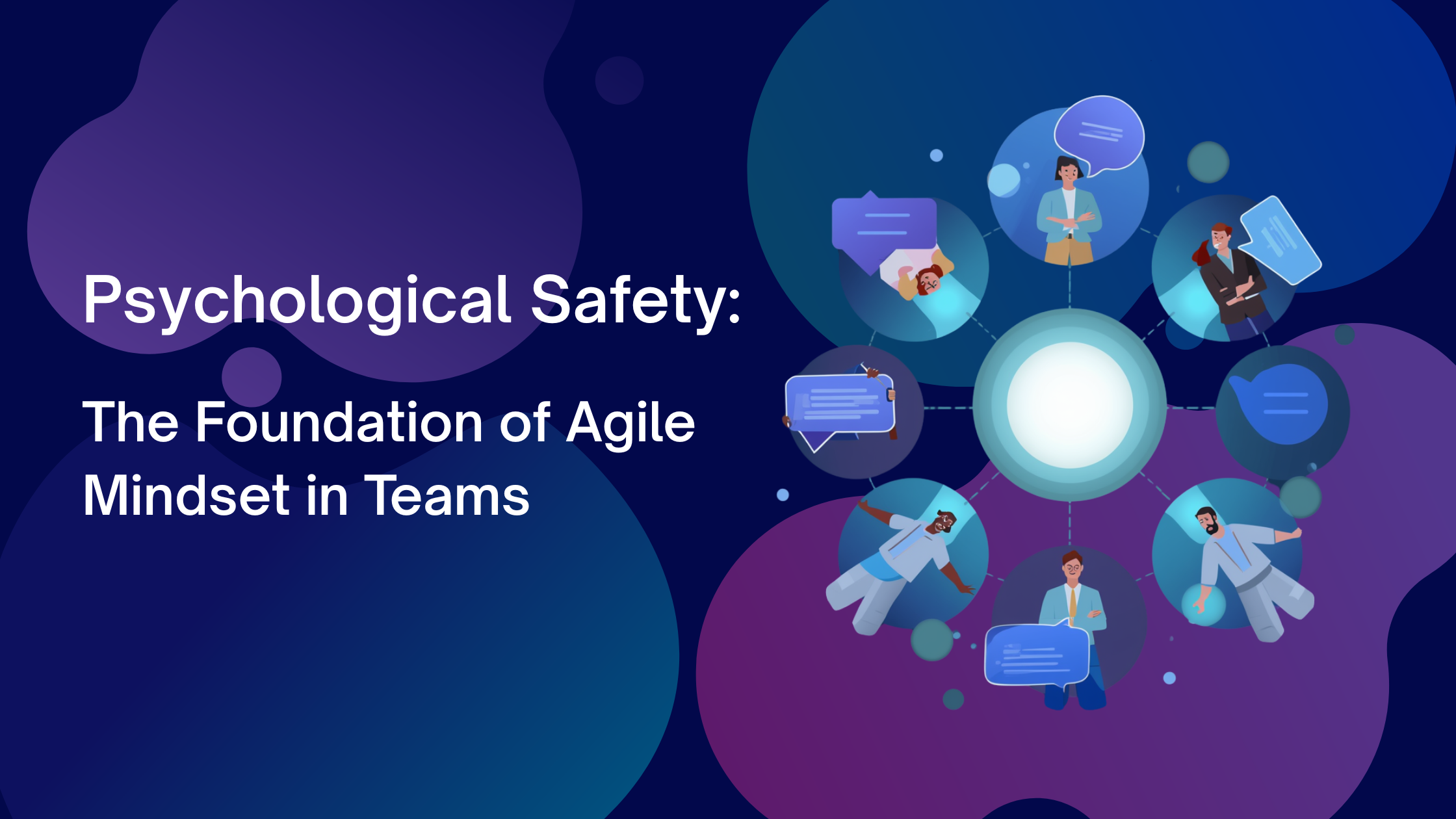
Psychological Safety: The Foundation of Agile Mindset in Teams
Psychological safety is what separates teams that simply follow agile practices from those that truly learn and improve. When people don’t feel safe to speak up, challenge ideas, or admit mistakes, feedback disappears and growth slows down. This article explores what psychological safety really looks like in agile teams and how small, everyday behaviours can create an environment where learning and improvement can thrive.
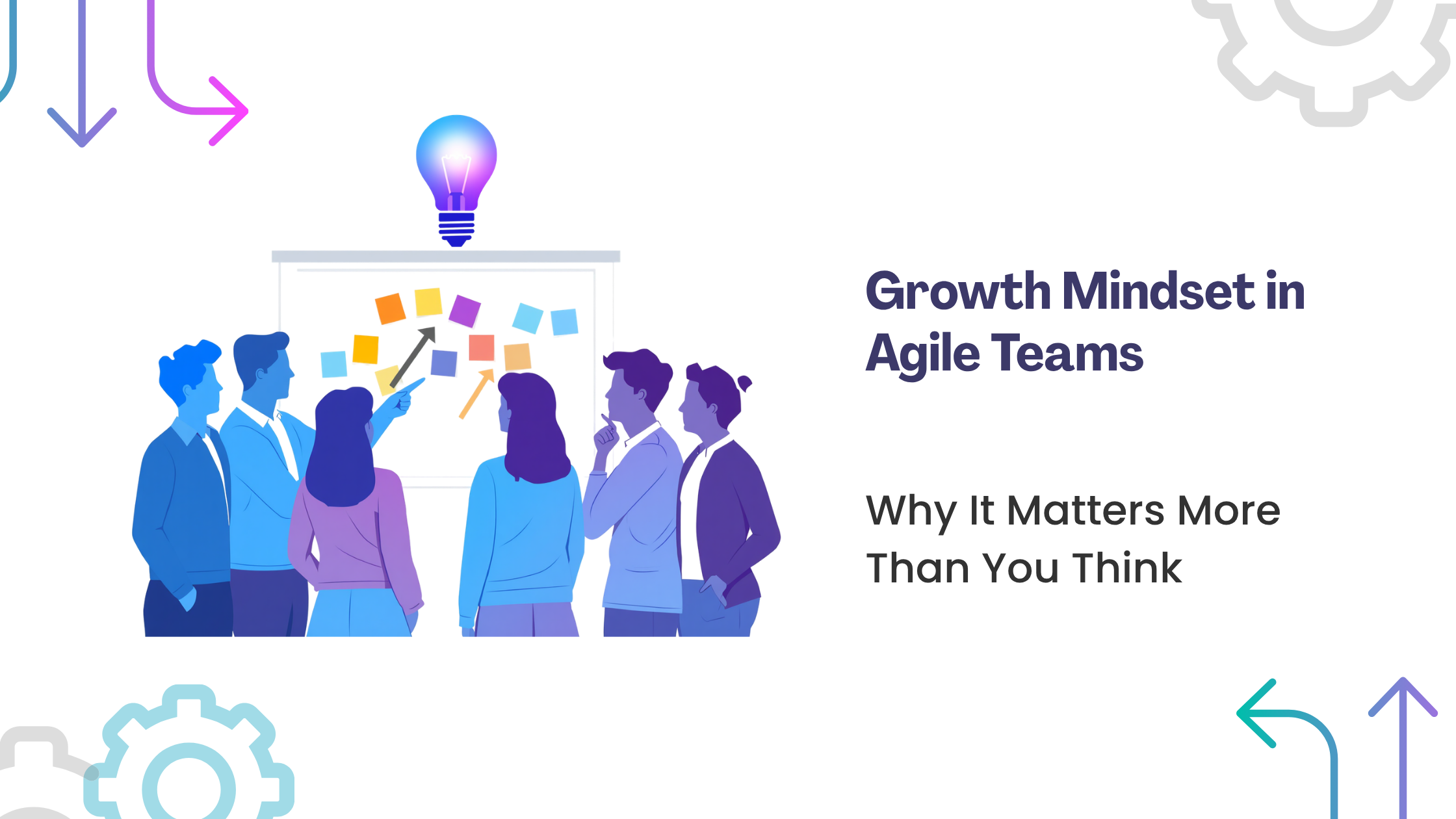
Growth Mindset in Agile Teams: Why It Matters More Than You Think
Growth mindset is often misunderstood as simply “staying positive” or “learning from mistakes.” But in agile teams, it shows up in something much more concrete: how people behave when things go wrong. This article explores what growth mindset really looks like in practice—especially under pressure—and how teams can build it through self-awareness, purpose, emotional control, and everyday interactions.

Stop Running Boring Retrospectives: 7 Agile Facilitation Techniques That Actually Work
Most agile meetings fail not because of the team - but because of how they’re facilitated. If your retrospectives feel repetitive, dominated by a few voices, or lead to little real change, the issue is likely the format, not the people. In this article, you’ll discover seven practical facilitation techniques that help create better conversations, increase participation, and turn insights into meaningful action.

SAFe Certification Cost and ROI Explained
Is SAFe certification worth the cost? As more organisations adopt the Scaled Agile Framework, many practitioners are evaluating the investment in SAFe training and certification. This article explains the typical costs, what you gain from the training, and the potential return on investment for Agile professionals and organisations.