
Not Sure Which SAFe Course to Take? Here's How to Choose the Right One.
With so many SAFe certifications available, knowing where to start can feel overwhelming - especially if you are brand new to agile. The truth is, choosing the right SAFe course comes down to one simple question: what is your role? In this post we break down the main SAFe certifications, who they are designed for, and how to find the pathway that sets you up for real-world success from day one.
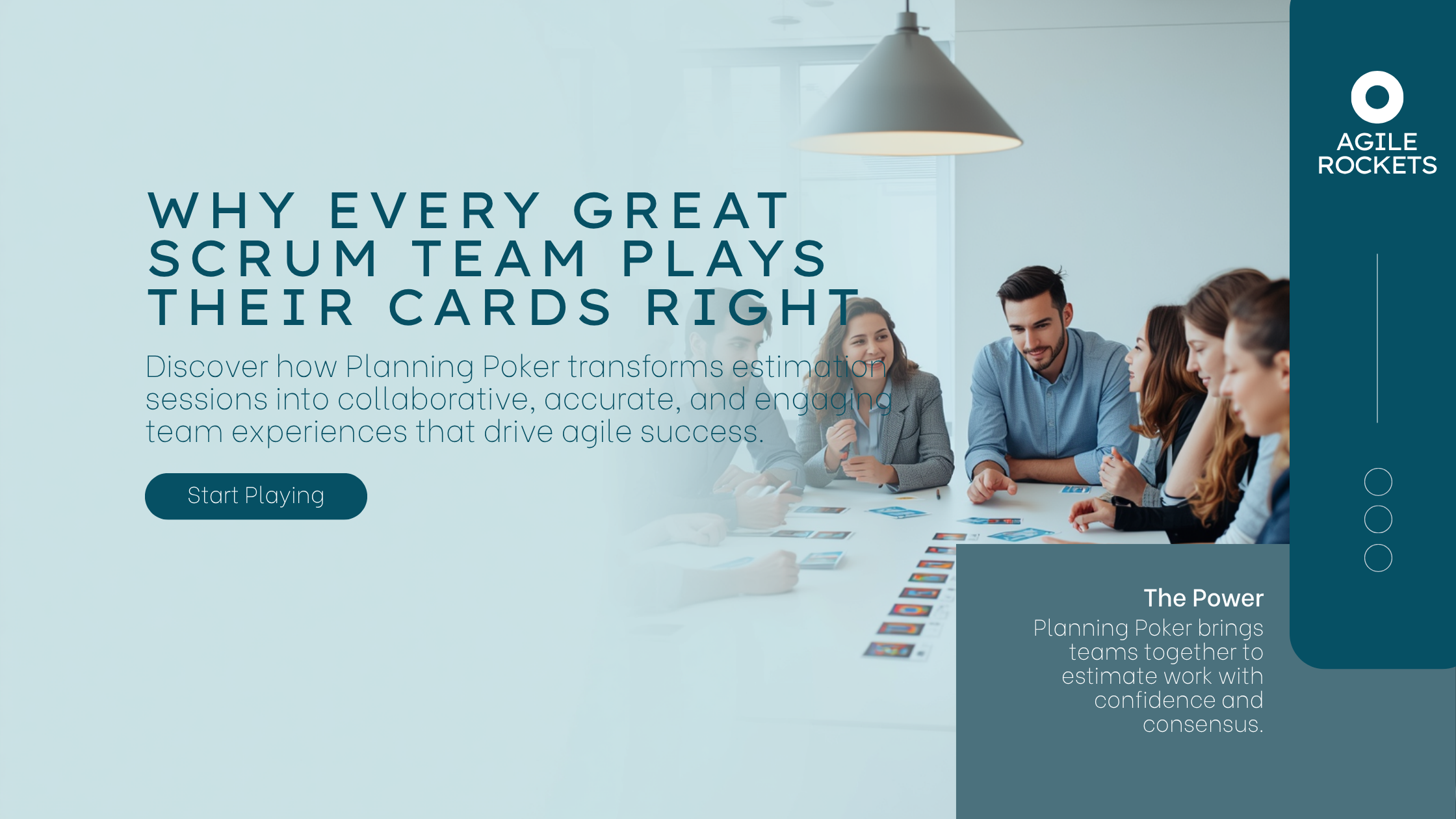
Why Every Great Scrum Team Plays Their Cards Right: The Power of Planning Poker
Your Sprint Planning is underway, the backlog is open - and within seconds, half the room thinks the Story is a 2 and the other half is convinced it's an 8. Sound familiar? Estimation doesn't have to be a battleground. Planning Poker is the consensus-based technique that gives every voice equal weight, eliminates the bias of the loudest opinion, and turns one of Scrum's most dreaded rituals into one of its most valuable. Here's how the cards work - and why your team will be glad you dealt them.

SAFe Certification Cost and ROI Explained
Is SAFe certification worth the cost? As more organisations adopt the Scaled Agile Framework, many practitioners are evaluating the investment in SAFe training and certification. This article explains the typical costs, what you gain from the training, and the potential return on investment for Agile professionals and organisations.

Why Becoming a SAFe Scrum Master Is a Smart Career Move in 2026
Becoming a SAFe Scrum Master is one of the smartest career moves for professionals who want to lead Agile teams and grow in modern organizations. In this article, we explore why the role is in high demand, the skills that make great Scrum Masters, and how SAFe certification can open the door to new career opportunities in 2026.

Why the Scaled Agile Framework (SAFe) Helps Organizations Successfully Scale Agile
The Scaled Agile Framework (SAFe) helps organisations successfully scale agile by providing a proven, structured approach that aligns strategy with execution across teams and portfolios. SAFe standardises roles, ceremonies and artefacts while preserving team autonomy, enabling consistent delivery cadence, reliable planning and predictable outcomes. It integrates lean and agile principles with systems thinking to manage dependencies, reduce bottlenecks and improve flow of value. Built‑in practices for continuous integration, DevOps and built-in metrics foster faster feedback, higher quality and measurable business impact. For organisations moving from isolated agile teams to enterprise‑level transformation, SAFe offers repeatable patterns, clear governance and practical guidance that drive alignment, transparency and sustainable improvement.